

Power backup solutions for residential use, commercial projects, and motor vehicles depend upon a stable supply of energy that is available 24/7. With quality Energy solutions, all business actions can continue with seamless continuity, not without any delays. RR Industries has attained popularity, as established Battery Manufacturers in Bangalore and makes sure that every Energy storage system is built with superior quality with impressive backup facility, excellent running efficiency, greater robustness and operational continuity.
From running home electronics via an inverter to supporting substantial industrial equipment, harvesting solar power, or providing dependable cold crank capability for cars, contemporary energy storage designs must be built according to definite standards. Knowledge of battery type, operational limits and specifications is key in making economically beneficial, cost-effective purchasing decisions both for business and consumer alike.
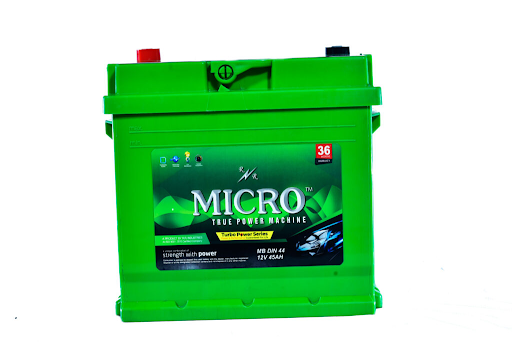
Reliable Battery Solutions with Long Life Batteries
Long-term energy systems need to endure continuous electrical loads, seasonal temperature shifts, and repetitive charge-discharge cycles. Standard energy solutions typically have a tendency to corrode and lose capacity when exposed to high temperatures and continuous discharging, resulting in frequent service and loss of expensive resources
The latest battery technology offers the most sophisticated solutions for preventing the inner grid corrosion and to reduce losses of energy during the stand-by time. Advanced long life batteries utilize the latest innovations in the field of durable internal grid structures and lead alloys to provide maximum performance over the battery’s operating life.
Built for Consistent Power and Durability
Durability in heavy-duty power cells begins at the structural level. Advanced grid construction ensures structural integrity even during high vibration, heavy shock, or continuous power cycling. Premium lead acid batteries feature pressure die-cast tubular spines, which are specifically designed to operate at high temperature. It also stops grid growth.
Key construction highlights that deliver consistent power include:
- High-Pressure spine casting: Produced at pressures above 100 bars, producing an ultra-fine grain structure that is corrosion-resistant.
- Low-antimony selenium alloys: reduce water evaporation, internal gas production, and self-discharge rates.
- Vibration-Resistant enclosures: Durable polypropylene containers shield the plates from heat, vibrations, and other physical impacts.
This implies that, with regard to systems having such property, one may speak about increased operating time without voltage fluctuations. As a result, a stable current discharge is ensured, which allows protecting power electronics from voltage drops.
Battery Solutions for Different Power and Voltage Requirements
Power demands vary depending on the load environment and specific equipment requirements. Residential UPS systems use the normal single phase voltage. Industrial systems need higher total electrical output.
- Low-Voltage Systems (12V): Ideal for typical domestic inverters, small solar arrays, passenger cars and light commercial vehicles.
- Medium-Voltage Systems (24V – 48V): For backup power supply to office, small Commercial units and telecom installations, and for off grid solar storage systems.
- High-Voltage Bank: Designed for industrial applications, severe manufacturing loads, and commercial data centers, requiring duty cycle loads from a multi-battery bank.
Knowing total energy requirements helps to ensure the battery voltage selected is tailored to the system requirements.
Quality That Supports Long-Term Operation
Robust energy systems require rigorous quality assurance over the entire manufacturing process. Consistency between cells in a connected battery bank can only be achieved through the attentive manufacturing process, right from the preparation of the active material, through to the final assembly. High quality microporous separators reduce the internal resistance, without compromising physical separation of the internal plates to prevent internal shorts and prolong the life of the battery.
Understanding Modern Battery Technology
Energy storage design has evolved past basic power delivery. Today’s industrial landscape relies on customized chemical configurations built for specific application profiles.
How Different Battery Technologies Work
- Tubular Lead-Acid Batteries: The positive plates are encased in porous woven tubes. This encapsulation effectively confines the active material between the woven tubes and around the grid spine thus eliminating shedding of the active material in deep discharge cycles and ensuring its long term effectiveness.
- Lithium Ion Batteries: high energy density, fast recharge, lightweight and small in size. Suitable for space-limited applications, electric mobility and other emerging energy systems, requiring high frequency or rapid cycling.
- Flat Plate Lead-Acid Batteries: Ideal for starting applications that need to draw high levels of current, with an initial power peak over a small, low-maintenance package.
As Battery Manufacturers in Bangalore, RR Industries is a manufacturer and Supplier of energy configurations used in different Commercial, Residential, Solar and Automotive applications.
Choosing the Right Battery
In order to choose the best energy solution, the discharge pattern, temperature environment, re-charge limitations and space limit of the structure must be considered:
- Cycle Frequency: High cycle duty requires tubular or deep cycle.
- Recharge Window: Over the short run, quick recharging is helped by low internal resistance options such as dedicated lithium systems or fast charging lead alloys.
- Space and Weight: Space-constrained environments or portable applications benefit from high power-to-weight ratios achievable with specialized battery chemistry.
- Operating Environment: High-temperature locations require low-maintenance alloy design & higher heat tolerance.
Battery Capacity, Voltage and Backup Requirements
The system performs when there is a balance between the voltage, the current delivery and the capacity ratings. Battery capacity is expressed in units of capacity in Ampere-hours (Ah), which is the quantity of electric charge that a battery can deliver over a specified period of time.
Batteries for continuous discharge specifications-e.g., C10 ratings for solar and industrial use or C20 ratings for typical inverter use-clearly provide the necessary information to determine how long a system will sustain particular electrical loads. Therefore, selecting the total wattage needed with a corresponding Ah rating will provide a steady voltage at high draw.
Choosing the Right Battery Based on Capacity
Determining precise energy specifications prevents system underperformance, premature battery strain, and unnecessary equipment wear.
Assessing Your Battery Capacity and Backup Needs
To determine the capacity, create a list of all electrical loads, define the number of hours these loads are expected to operate, and then add a safety factor. The sum of all loads multiplied by the backup hours is the Watt-hours required. Divide total Watt-hours by nominal operating voltage to get the required Ampere-hour rating. Applying the depth-of-discharge limits means you won’t completely drain the energy store during long power outages.
Matching Capacity to the Load
Overuse of a smaller capacity battery results in the faster reduction of voltage, faster thermal degradation and ultimately reduced service life. Proper load matching of a load profile to properly sized deep cycle batteries can balance current draw and significantly increase service life.
- Low Power Residential (Under 500W): Standard 80Ah to 100Ah flat or tubular arrangements.
- Medium Commercial (500W – 1500W): High capacity 150Ah to 200Ah tall tubular types.
- Heavy Industrial (1500W+): Two or more Battery Banks connected (series and parallel configurations).
Selecting Batteries for Continuous Operation
To operate in a continuous mode, the power must be maintained during time without increasing the temperature or dropping the voltage. High capacity industrial batteries contain a heavier alloy plate, a more robust grid design and higher electrolyte volume to promote heat transfer and maintain a consistent current during long duration discharges.
Industrial Battery Applications Across Key Industries
The storage requirement is heavily dependent on the operating environment, load profile and the continuous power requirement.
Automotive and Mobility Applications
Automotive Batteries require high Cold Cranking Amps (CCA) to provide a strong motor start even in extreme climate conditions. Calcium silver lead alloy plates eliminate grid corrosion and fluid loss-low-maintenance startup power supply in cars, mini-trucks, trucks, tractors, and heavy construction vehicles.
UPS Battery Solutions for Emergency Backup Systems
Commercial operations, healthcare facilities, financial institutions, and data hubs depend on uninterrupted electricity. A dependable UPS battery provides immediate backup power in the event of a power failure to preserve vital information and to safeguard delicate electronic devices from damaging power surges.
As the recognized battery manufacturers in India, RR Industries produces reliable storage batteries for emergency backup and system requirements.
Solar Battery Storage for Renewable Energy
Solar power installations require unique storage systems in order to store surplus power generated during the day for use in the evening or during periods of high demand. Solar battery storage units are subject to many charge/discharge cycles and as such must be capable of deep-discharge and exhibit low self discharge characteristics.
In a typical solar installation:
- Generation phase: The solar panels collect the sunlight and turn it into DC power.
- Regulation Phase: The charge controller uses voltage regulation to prevent the battery from overcharging.
- Storage phase: Efficient storage of power for low-antimony solar cells without excessive gassing.
- Conversion stage: the stored DC energy is converted into AC energy which powers your daily household needs or commercial operations.
Unique designed Solar batteries with microporous ceramic vent plugs & visual float indicators will use much less water, it can have top-up once a year for up to a year.
What Makes Battery Technology Suitable for Long-Term Use?
Long-term reliability depends on thermal resilience, chemical stability, low self-discharge rates, and steady internal resistance.
Industrial Battery Performance Under Frequent Use
Frequent power cycling stresses internal active materials. High-density positive paste formulations and heavy-duty grid casts ensure structural integrity through thousands of operational cycles, maintaining constant voltage delivery under heavy, frequent usage.
Battery Technology, Temperature and Operating Conditions
Operating temperatures directly impact internal battery chemistry:
- High Ambient Temperatures: Accelerate grid corrosion, increase water loss, and speed up self-discharge.
- Low Ambient Temperatures: Increase internal electrical resistance, temporarily reducing instantaneous current output.
Modern battery energy storage systems use temperature-resistant lead-selenium or silver-calcium alloys alongside robust polypropylene containers to withstand harsh operating conditions and maintain steady chemical activity.
Battery Maintenance and Service Requirements
Routine maintenance maximizes potential and prolongs operational life. Adhering to routine maintenance standard guidelines will reduce the chance of breakdown:
- Monitor float indicators frequently to ensure electrolyte levels remain above the minimum indicators.
- Keep terminal posts free of dirt and keep coated with petroleum jelly to prevent oxidation/corrosion.
- Make sure charge controllers have the right voltage cut off points to avoid overcharging the batteries.
- Store and use batteries in well ventilated areas to keep the internal temperatures down during recharge cycles.
Choosing reliable solutions from Battery Manufacturers in Bangalore for your business operations enables you to access long-lasting industrial battery construction, reliable energy storage, light-weight design possibilities as well as extensive local technical assistance. Be it for solar projects, home back-up or for commercial fleets, rugged battery designs offer long term, consistent power supply at very competitive prices.